How Automotive Component Exporters India Are Strengthening the Global Auto Supply Chain
- Services
- August 25, 2026
A vehicle cannot leave the factory when a required component is missing. It could be a small part, but the delay can still affect the entire production schedule. This is one reason manufacturers pay close attention to where their components come from and how reliably a supplier can deliver them. Automotive Component Exporters in India are now supplying parts to customers across different automotive and industrial markets.
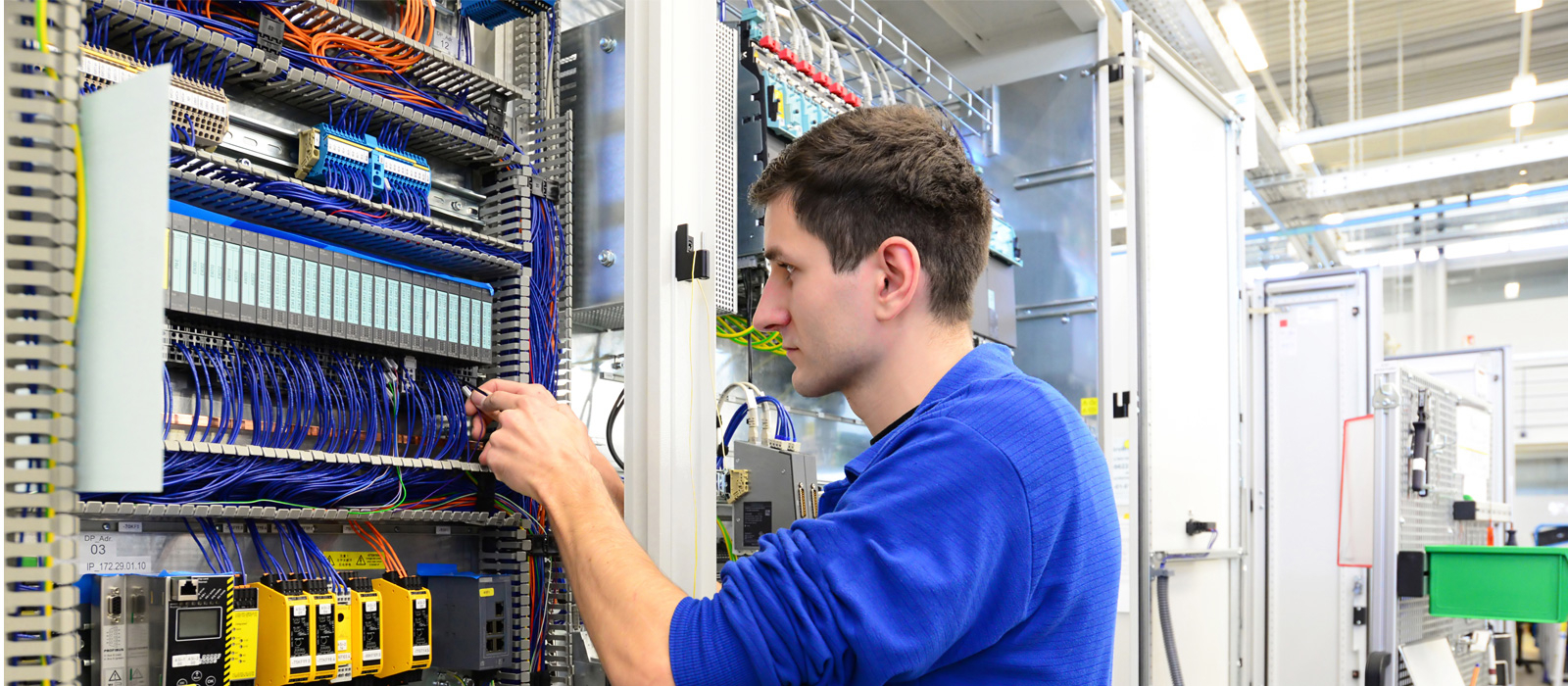
The work involved is also broader than manufacturing a component and putting it in a shipping box. Depending on the supplier, the same facility may handle engineering, forging, machining, heat treatment, inspection, and testing. Having several of these processes under one setup can simplify production monitoring and communication between the buyer and manufacturer.
Why Global Buyers Look to India for Automotive Components
Manufacturing cost is one reason companies consider India, but it is rarely the only factor behind a sourcing decision. Buyers also need consistent quality, suitable production capacity, dependable delivery, and a supplier that can work to defined technical requirements.
India already has a large automotive manufacturing base, so component manufacturers operate alongside engineering firms, raw material suppliers, machine shops, tooling companies, and other supporting businesses. There is also a sizeable pool of engineering and manufacturing talent. This combination of manufacturing support and engineering expertise has helped Indian suppliers handle a wider range of export requirements.
For overseas buyers, this wider supplier network can make sourcing easier to manage. Instead of looking only at the price of an individual component, buyers can work with suppliers that have the equipment, people, and supporting processes needed to produce it consistently.
Quality and Traceability Matter
For international automotive supply, quality cannot be checked only at the final stage. It needs to be monitored throughout manufacturing.
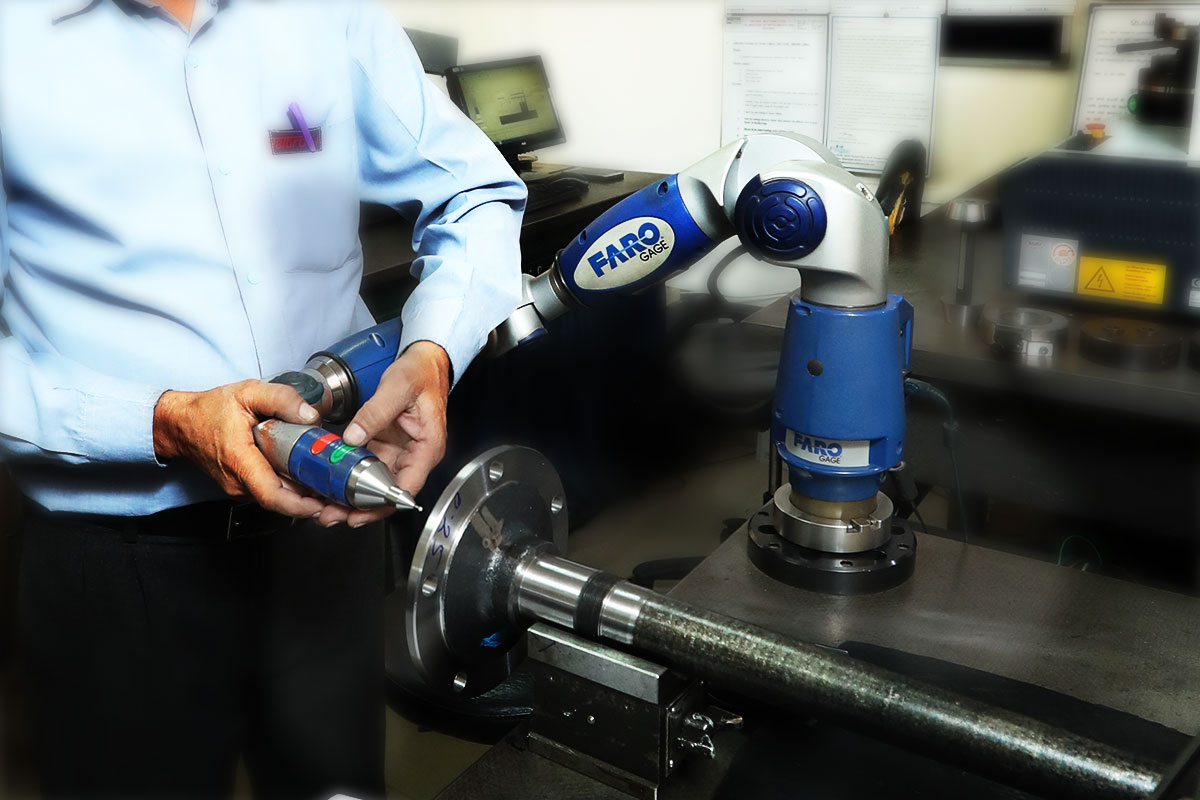
Established Automotive Component Exporters in India use testing and inspection systems to verify dimensions, hardness, material properties, and other critical characteristics. Traceability is equally useful. A properly maintained traceability system allows a manufacturer to identify production details linked to an individual component if an issue needs to be investigated.
For axle shafts, traceability can be maintained through details such as the forge heat code and manufacturing date. The production process may include forging, heat treatment, machining, and induction hardening, followed by checks such as ultrasonic testing, hardness testing, Magnaflux inspection, and dimensional verification.
Supporting the Global Supply Chain
Exporters also contribute by offering engineering and manufacturing support. Product development, drawing preparation, third-party inspection, and manufacturing outsourcing can help international customers manage projects with fewer separate suppliers. This can be particularly useful when an automotive company needs a component developed to a specific drawing or production requirement.
Having engineering teams and manufacturing capabilities working together can also simplify communication during development and production. Instead of handling technical discussions, production requirements, and quality checks separately, buyers can coordinate these aspects with the same manufacturing partner.
What Makes an Exporter Reliable?
International buyers generally need more than a product catalogue. They should look at:
- Manufacturing capabilities and available processes
- Quality and testing infrastructure
- Product traceability
- Engineering and development support
- Experience with international customers
- Ability to maintain consistent production standards
- Capacity to meet required delivery schedules
For export orders, documentation and communication also deserve attention. Clear technical specifications, inspection records, production updates, and shipping documentation can prevent avoidable confusion between the manufacturer and overseas buyer.
Looking at these areas can help buyers decide which exporters are a better fit for their production needs.
Source Quality Automotive Components From India
India has become an important sourcing market for automotive components, supported by its manufacturing base, engineering capabilities, and supplier network. Automotive Component Exporters in India are serving overseas markets where quality, traceability, production consistency, and delivery requirements all matter.
For buyers, choosing an exporter is about more than comparing prices. Manufacturing processes, testing capabilities, technical support, and production capacity can all influence the suitability of a supplier. Talbros Engineering, with its focus on axle shafts and related manufacturing capabilities, is one example within India’s automotive component sector.
FAQs
What types of components do automotive exporters in India supply?
Automotive Component Exporters in India may supply components for passenger vehicles, commercial vehicles, tractors, off-road vehicles, and other automotive applications. The product range depends on the manufacturer’s capabilities.
Why is traceability important in automotive components?
Traceability helps manufacturers identify production details such as material or forge batch information when investigating quality concerns or maintaining production records.
What should global buyers check before choosing an Indian component exporter?
Buyers should review manufacturing capabilities, testing facilities, quality processes, traceability systems, engineering support, and experience serving international customers.
Can Indian automotive exporters provide engineering support?
Yes. Some established manufacturers provide services such as product development, drawing preparation, manufacturing outsourcing, and inspection support alongside component production.
How do Indian exporters support global automotive supply chains?
They combine manufacturing, engineering, testing, and quality control capabilities to supply components that meet specific technical and production requirements.