What Makes the Top Senior Secondary School in North West Delhi Stand Out?
- Education
- August 25, 2026
Picking a school after Class 10 is a different decision. The subjects get tougher, board exams are on the horizon, and students start hearing a lot of questions about what they want to do next. Some have already decided on medicine or engineering. Others haven’t. Both situations are normal. For families comparing the Top Senior Secondary School in North West Delhi, marks are only one part of the picture. Teaching, subject combinations, classroom support, and the atmosphere around students matter too. Those two years can make a real difference, particularly when students are dealing with tougher subjects while also thinking about what comes after Class 12.
5 Things Worth Looking for in a Senior Secondary School
1. Teachers Who Understand the Pressure of Classes 11 and 12
The move from Class 10 to senior secondary can take some getting used to. A topic that felt easy before may suddenly seem much harder in Class 11. Physics, Chemistry, Mathematics and Accountancy, for example, need regular attention. Leaving everything for the week before an exam usually doesn’t work.
Good teaching isn’t only about finishing chapters on time. Students should feel comfortable asking questions when they don’t understand something. They may need a topic explained again or a little extra help before moving on. Tests can show where a student is struggling, but what happens after the test matters too.
2. Subject Choices That Match Different Goals
By Class 11, students usually have a clearer idea of the subjects they enjoy, even if they haven’t figured out a career yet. A good senior secondary school should offer subject combinations that give students room to work towards different paths.
For example, a student interested in engineering may need Physics, Chemistry and Mathematics, while someone considering commerce may prefer subjects such as Accountancy, Business Studies and Economics. Humanities students may have different combinations altogether. Parents should check the available streams and subjects instead of assuming every school offers the same options.
3. Learning Should Go Beyond Finishing the Syllabus
Getting through the syllabus is one part of senior secondary education. Students also have to understand what they are studying and use it in different situations.
Take science practicals. Reading about an experiment in a textbook is one thing; actually carrying it out in a laboratory is another. Students have to follow instructions, handle equipment, record observations, and work out what those observations actually mean. The same applies to projects, classroom discussions, and library work.
4. Guidance Becomes More Valuable at This Stage
By Class 11, students start hearing a lot of advice from friends, relatives, and social media. Not all of it is accurate.
Career and academic guidance can help students sort through their options. They may need to understand which entrance examinations are relevant, what different undergraduate courses involve, or what subjects are useful for a particular career. Having someone at school who can discuss these questions with them can save a lot of confusion later.
5. Students Still Need a Life Outside Their Books
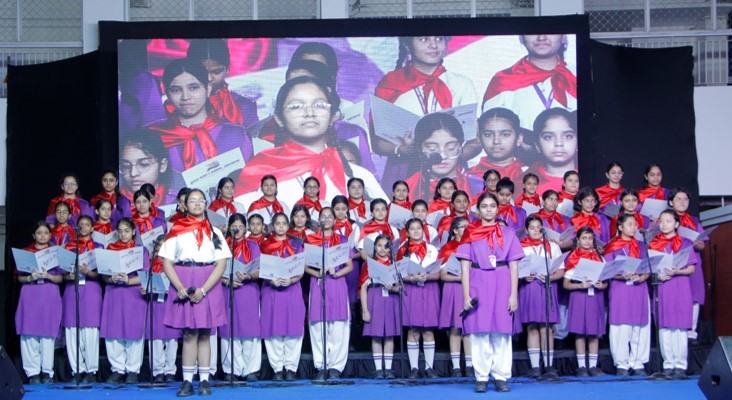
Classes 11 and 12 can become heavily focused on examinations. Still, students need some breathing room. Sports, clubs, cultural programmes, competitions and other activities can give them a break from textbooks while helping them develop communication and teamwork skills.
It doesn’t have to be something elaborate. A student taking part in a school event, speaking in front of a group, or working with classmates on a project is gaining experience that marks alone don’t show.
What Should Parents Check Before Admission?
A school can look impressive on paper and still not suit every child. Parents can make a better comparison by asking practical questions:
- Which streams and subject combinations are available?
- How are students prepared for board examinations?
- What happens when a student struggles with a subject?
- Are science laboratories and library facilities available?
- Is career or higher education guidance provided?
- What activities are available outside the classroom?
- How does the school keep parents informed about academic progress?
If possible, visit the school and speak to the staff. The way teachers respond to questions can tell you quite a bit.
Choosing a Senior Secondary School in North West Delhi
What works for one student may not work for another. A child who is focused on science may have very different needs from someone considering commerce or the humanities. So, before making a decision, families should look at the subjects available, teaching support, facilities and opportunities outside regular classes.
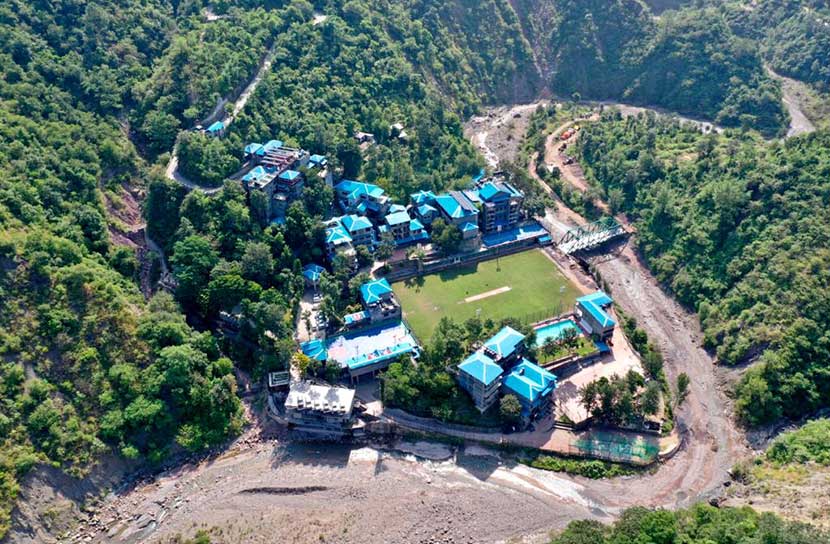
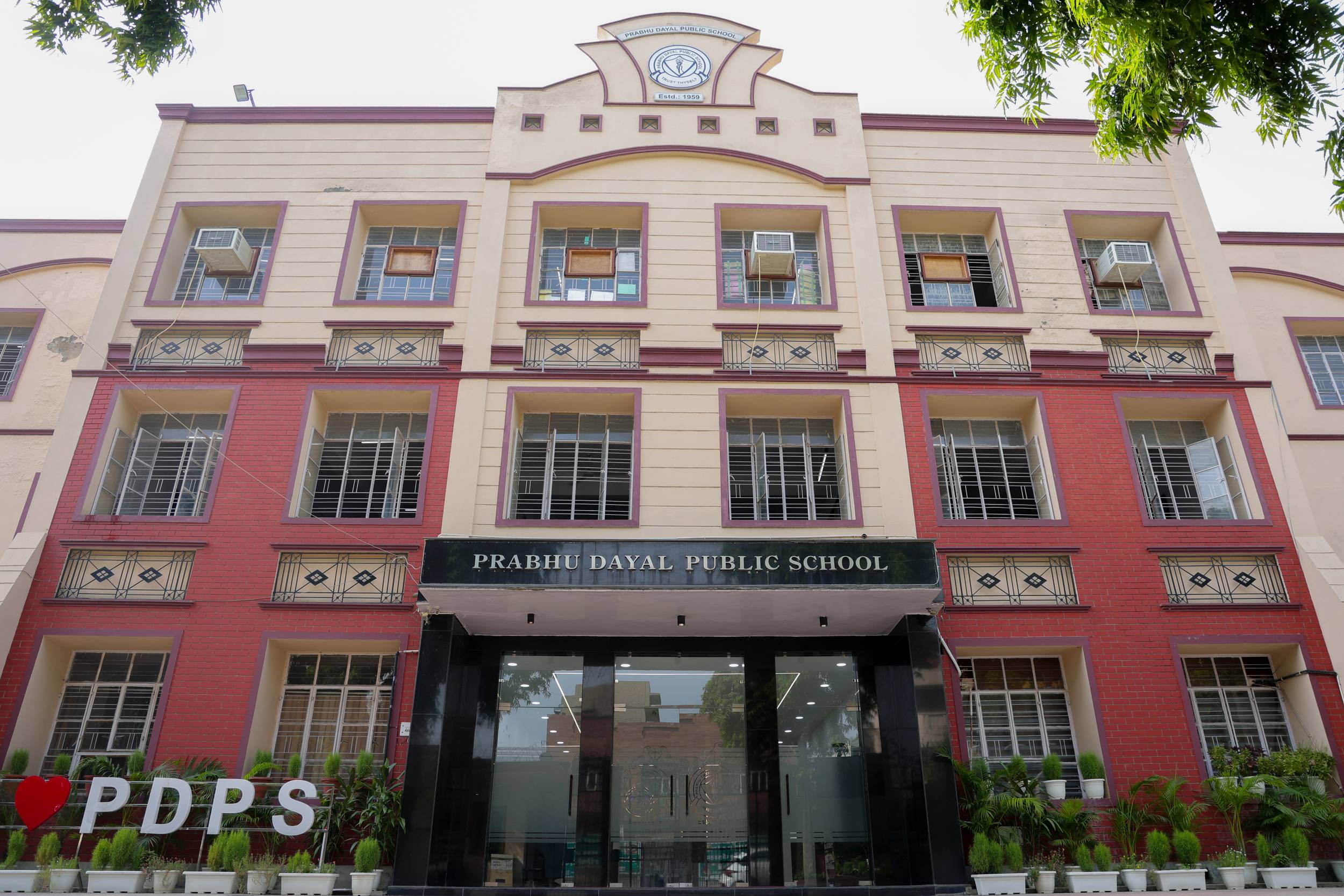
Families considering the Top Senior Secondary School in North West Delhi can visit the senior wing of PDP School to learn more about its Classes 11 and 12 programme, including the subject options and academic facilities available to senior secondary students.
FAQs
What should parents consider when choosing a senior secondary school?
Parents should compare subject choices, teaching support, academic preparation, facilities, career guidance and activities beyond the classroom.
Why are Classes 11 and 12 important?
Classes 11 and 12 build the subject knowledge students need for board examinations, higher education and, in some cases, entrance tests.
Should students choose a stream based only on marks?
Not necessarily. Interests, strengths, future plans, and the subjects required for a chosen career should also be considered.
How does career guidance help senior secondary students?
It can help students understand courses, entrance examinations, and possible career paths before they make decisions after Class 12.
Are extracurricular activities useful in senior secondary school?
Yes. Sports, clubs, and cultural activities can give students opportunities to develop communication, teamwork, and confidence alongside academics.