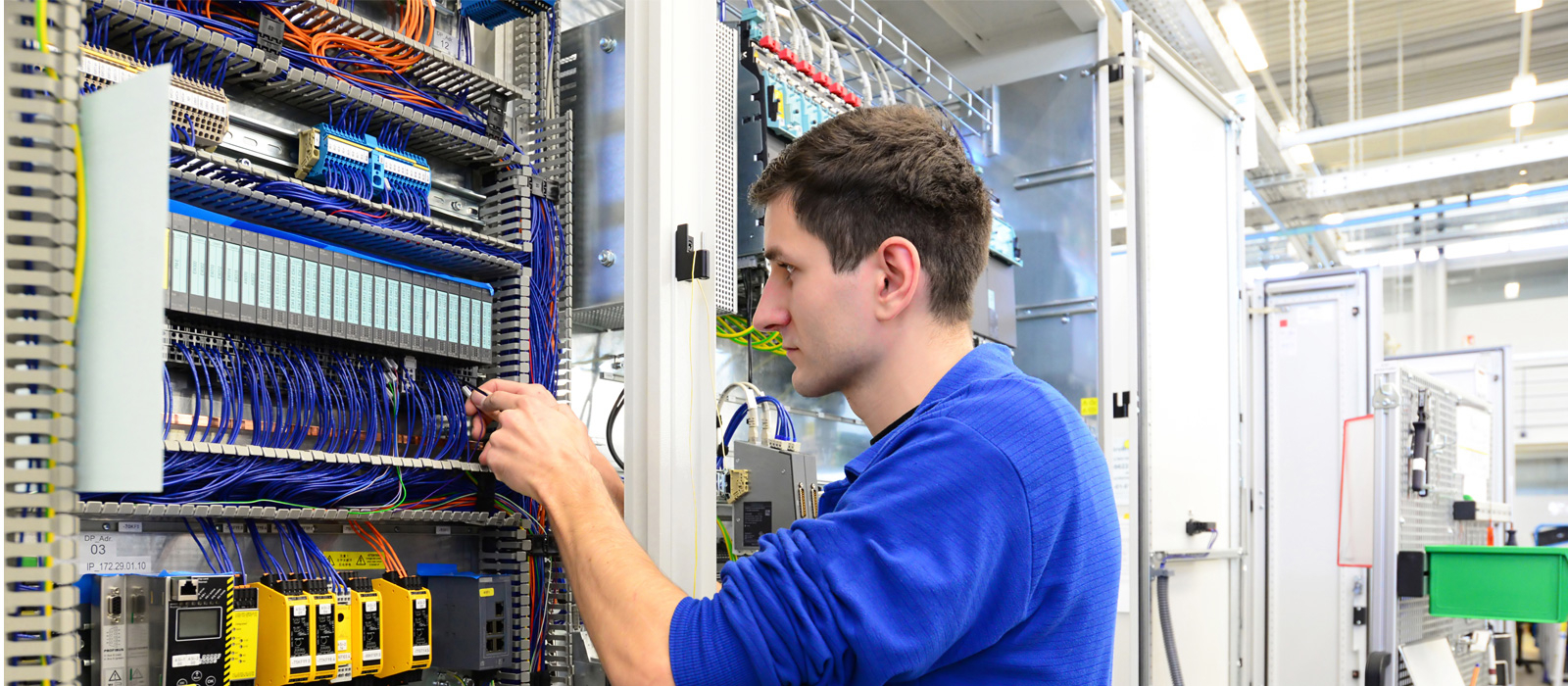
How to Maintain Aggregate Testing Laboratory Equipment for Consistent Results
- Manufacturers
- September 23, 2026
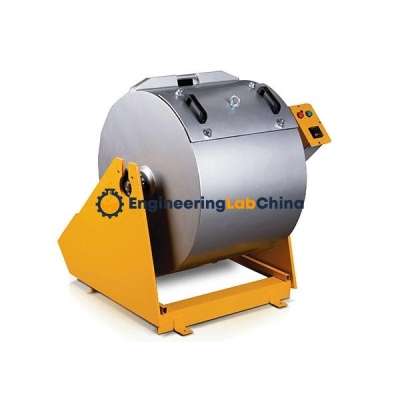
Aggregate testing can look straightforward until small equipment issues begin affecting results. A balance that is not checked, a sieve that has become damaged, or an oven with unstable temperature can introduce errors into otherwise carefully performed tests. For laboratories comparing Aggregate Testing Lab Equipment Manufacturers, equipment quality and maintenance both matter. Even a small measurement issue can affect the reliability of test results.
Regular cleaning, inspection, calibration, and proper storage help keep aggregate testing equipment in good working condition. A consistent maintenance routine also helps technicians spot worn or damaged components before they affect testing.
5 Ways to Maintain Aggregate Testing Lab Equipment
1. Clean Equipment After Use
Aggregate samples leave behind dust, fine particles, and residue. If these materials build up, they can affect moving parts and interfere with measurements.
Sieve sets, trays, sample containers, balances, and other apparatus should be cleaned according to their intended use. Avoid harsh cleaning methods that could damage surfaces or alter equipment dimensions. For mechanical equipment, check areas where aggregate particles may collect and remove them before the next test.
2. Check Equipment Before Testing
A quick inspection can catch problems that are easy to miss during routine work. Look for cracked sieves, loose components, damaged containers, worn surfaces, or unusual movement.
Balances should be checked for stable zero readings, while ovens should be monitored for temperature performance. Equipment should also be checked after being moved, repaired, dropped, or subjected to unusual conditions.
3. Keep Calibration Up to Date
Calibration is something you don’t want to overlook. Even if an instrument looks fine and is cleaned regularly, its readings can change over time. A balance, for instance, may slowly drift and start showing slightly different values.
Check balances, temperature-measuring devices, and other measuring instruments at the intervals recommended for the equipment and the relevant testing method. If calibration or verification is carried out, record the date and details so the next technician can quickly see when the equipment was last checked.
4. Store Equipment Properly
Where equipment is kept can affect its condition too. Sieves, balances, moulds, sample containers, and other testing tools should be stored in a clean, dry place away from unnecessary dust, moisture, and rough handling.
It also helps to keep smaller parts in their proper places. That sounds simple, but it saves time in a busy lab and makes it less likely that a missing or damaged component gets used by mistake.
5. Maintain Clear Service Records
A simple maintenance log can show when equipment was cleaned, checked, repaired, or calibrated. It can also help identify recurring problems.
This becomes especially useful when several technicians use the same equipment. Instead of relying on memory, the laboratory has a record that can be reviewed when test results appear inconsistent. Good documentation can also help laboratories follow the maintenance guidance provided by their equipment supplier.
Why Maintenance Matters for Testing Accuracy
Aggregate testing may involve sieve sets, balances, ovens, specific gravity apparatus, abrasion testing machines, and impact testing equipment. The exact equipment depends on the tests being performed.
When equipment is poorly maintained, the issue may not always be obvious. A small measurement error can affect the final test result and make comparisons between samples less reliable.
Choosing Equipment With Maintenance in Mind
Price is only one thing to look at when comparing Aggregate Testing Lab Equipment Manufacturers. Think about what happens after the equipment reaches the lab. Are replacement parts available? Is calibration support provided? Are the operating instructions clear enough for technicians to follow without confusion? These details can make a real difference once the equipment is being used regularly.
Good after-sales support is useful too. If a technician has a question about operation or maintenance, having access to proper guidance can save time and prevent avoidable mistakes.
Making Equipment Maintenance Part of Routine Lab Work
Equipment maintenance doesn’t have to become a separate, time-consuming job. A quick cleaning after use, a basic inspection before testing, and timely calibration can become part of the normal lab routine. Keeping a simple record of these checks also makes it easier to spot equipment that may need attention.
If a laboratory is planning to purchase new equipment, the choice of Aggregate Testing Lab Equipment Manufacturers matters for more than the initial purchase. The right supplier can make things easier through clear documentation, equipment support, and maintenance guidance. Engineering Lab China offers aggregate testing laboratory equipment within its civil engineering laboratory equipment range for different aggregate testing needs.
To know more visit here: https://www.engineeringlabchina.com/civil-engineering-lab-equipment/aggregate-testing-lab-equipment
FAQs
How often should aggregate testing equipment be maintained?
The frequency depends on the equipment, test method, usage, and manufacturer recommendations. Routine checks should be combined with scheduled maintenance and calibration.
Why is calibration important for aggregate testing equipment?
Calibration helps confirm that measurement equipment is performing within the required accuracy and supports reliable test results.
What should be checked before using aggregate testing equipment?
Inspect the equipment for damage, cleanliness, loose components, unusual movement, and other signs that could affect testing.
Should maintenance records be kept?
Yes. Records of maintenance, calibration, repairs, and verification help laboratories track equipment condition and support quality-control procedures.
How should laboratories choose aggregate testing equipment?
Consider accuracy, construction quality, applicable testing requirements, calibration support, maintenance needs, spare parts, and after-sales service.