How Does the Best School In India Shape a Student’s Future?
- Education
- October 22, 2026
A student’s school years shape far more than exam results. They influence how young people think, handle responsibility, work with others and cope when something doesn’t go to plan. For parents searching for the best school in India, the real question isn’t only what marks their child might get. It’s what kind of person they’ll become along the way.
A strong education mixes classroom learning, practical experience and room to grow outside lessons. In a residential school, those experiences carry on past the school day, which gives students more chances to build habits that stay with them into adulthood.
1. Strong Academics Build a Foundation for the Future
A good academic environment teaches students to understand ideas, ask questions and use what they learn. Memorising facts might get you through a test, but being able to explain an idea or use it to solve a problem is worth far more once the exam is over.
Pinegrove School, established in 1991, follows the CBSE curriculum up to Class XII. Its academic programme is backed by subject teaching, science labs, computer facilities and a library, which give students different ways to approach their studies.
Regular lessons and assessments also help students see where they’re doing well and where they need more practice. That awareness comes in handy when they move on to college or professional training.
2. Boarding Life Encourages Independence
Living away from home is a big change for a child. They have to look after their belongings, follow a daily routine, share space and get along with people from different backgrounds. The adjustment takes time, but it’s also a chance to grow up a little.
At Pinegrove School, boys and girls have separate boarding facilities, with matrons or wardens overseeing students’ daily needs. A structured residential setting lets children practise responsibility within clear rules.
These everyday experiences count. Keeping schoolwork organised, respecting shared spaces and managing time are small habits, but over time they build real independence.
3. Sports and Activities Teach Lessons Beyond Books
A student’s interests don’t always show up in a written exam. Sports, music, drama, creative activities and competitions give young people different ways to find out what they enjoy and where their strengths are.
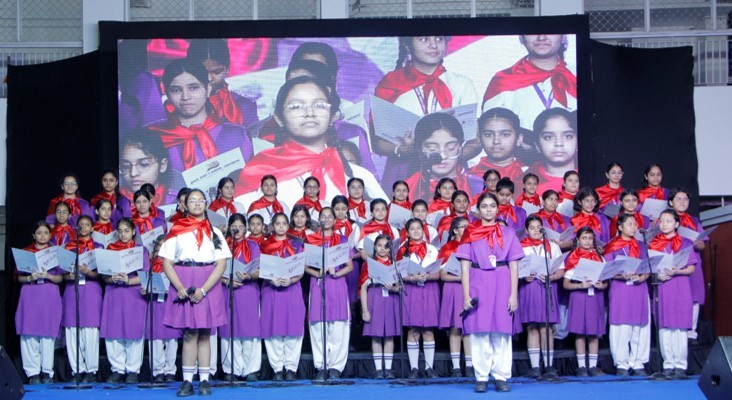
Team sports teach cooperation and how to handle both winning and losing. Performing in front of others builds confidence. Creative activities encourage students to experiment instead of worrying about getting it right the first time.
Pinegrove offers sports and co-curricular activities, with facilities that include playing fields, basketball courts, tennis courts and a swimming pool. These activities sit alongside academics and give students a chance to build skills through practice.
4. A Diverse School Community Broadens Perspectives
Students who live and study with peers from different regions and backgrounds meet different viewpoints every day. They learn to communicate, work through disagreements and respect differences.
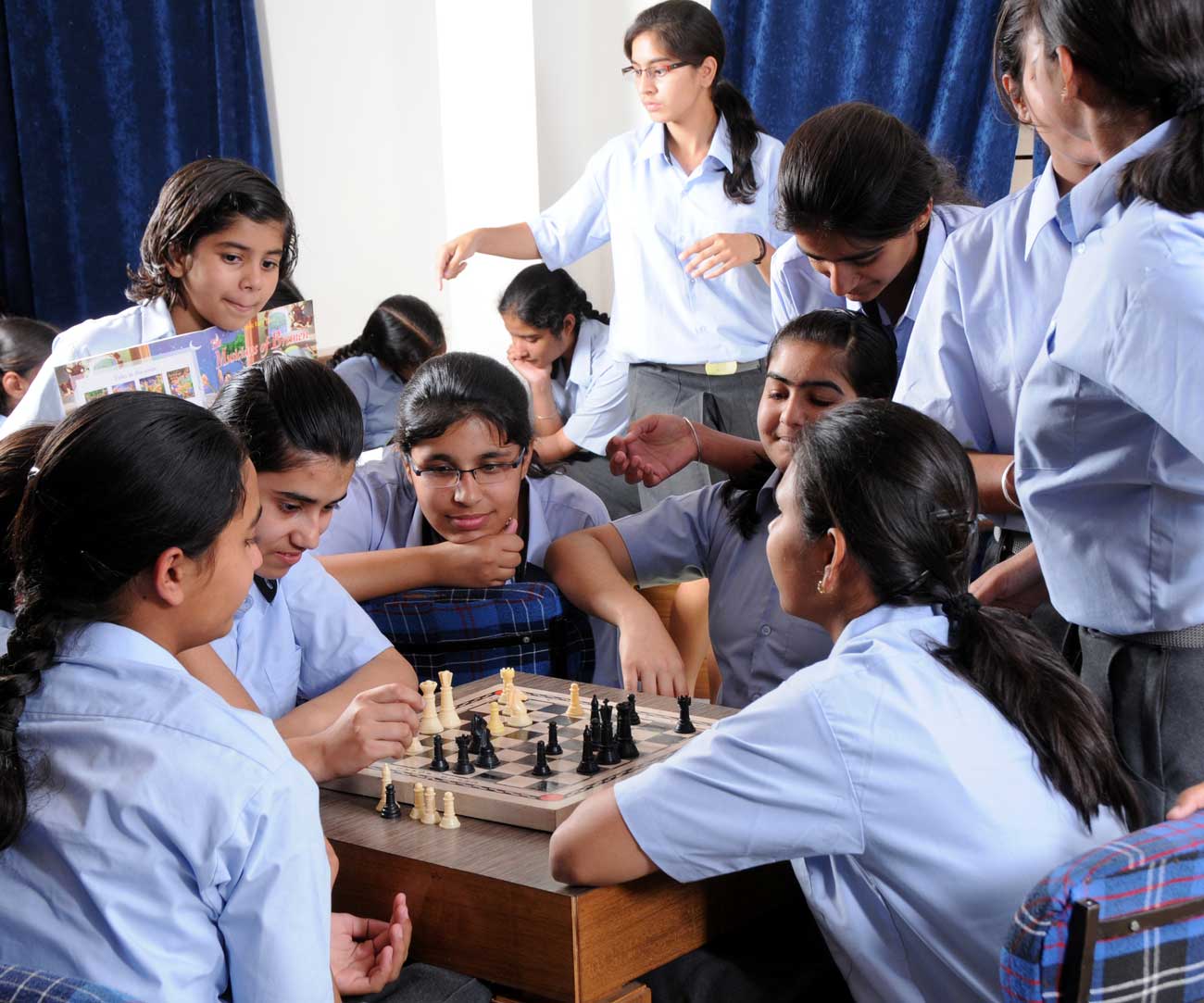
Textbooks can’t teach these lessons very well. Shared meals, house activities, group projects and school events put students in situations where they have to listen to others and speak up themselves.
For a young person heading to higher education, these experiences can make it easier to settle in among new people and unfamiliar surroundings.
5. Guidance and Routine Help Students Prepare for Adult Life
Independence doesn’t mean a child should handle every difficulty alone. Teachers, house staff and mentors can step in when a student struggles with schoolwork, friendships or the demands of boarding life.
A steady routine also helps students balance study, rest, exercise and personal interests. Over time, they start to see how their daily choices affect their progress.
When you compare schools, ask about student supervision, pastoral care, health facilities, communication with families and how children are helped to settle into residential life. Academic reputation matters, but so does your child’s comfort and readiness for boarding.
How Pinegrove School Supports Student Development
Pinegrove School is in Himachal Pradesh. It’s a co-educational, English-medium residential school affiliated with CBSE, and it brings academics, boarding life, sports and co-curricular activities together in one environment.
If you’re considering Pinegrove, visit the campus, find out how the boarding routine works and talk to the school about your child’s academic and personal needs. A good fit depends on more than facilities or reputation. Your child should be ready for residential life and comfortable with what the school expects.
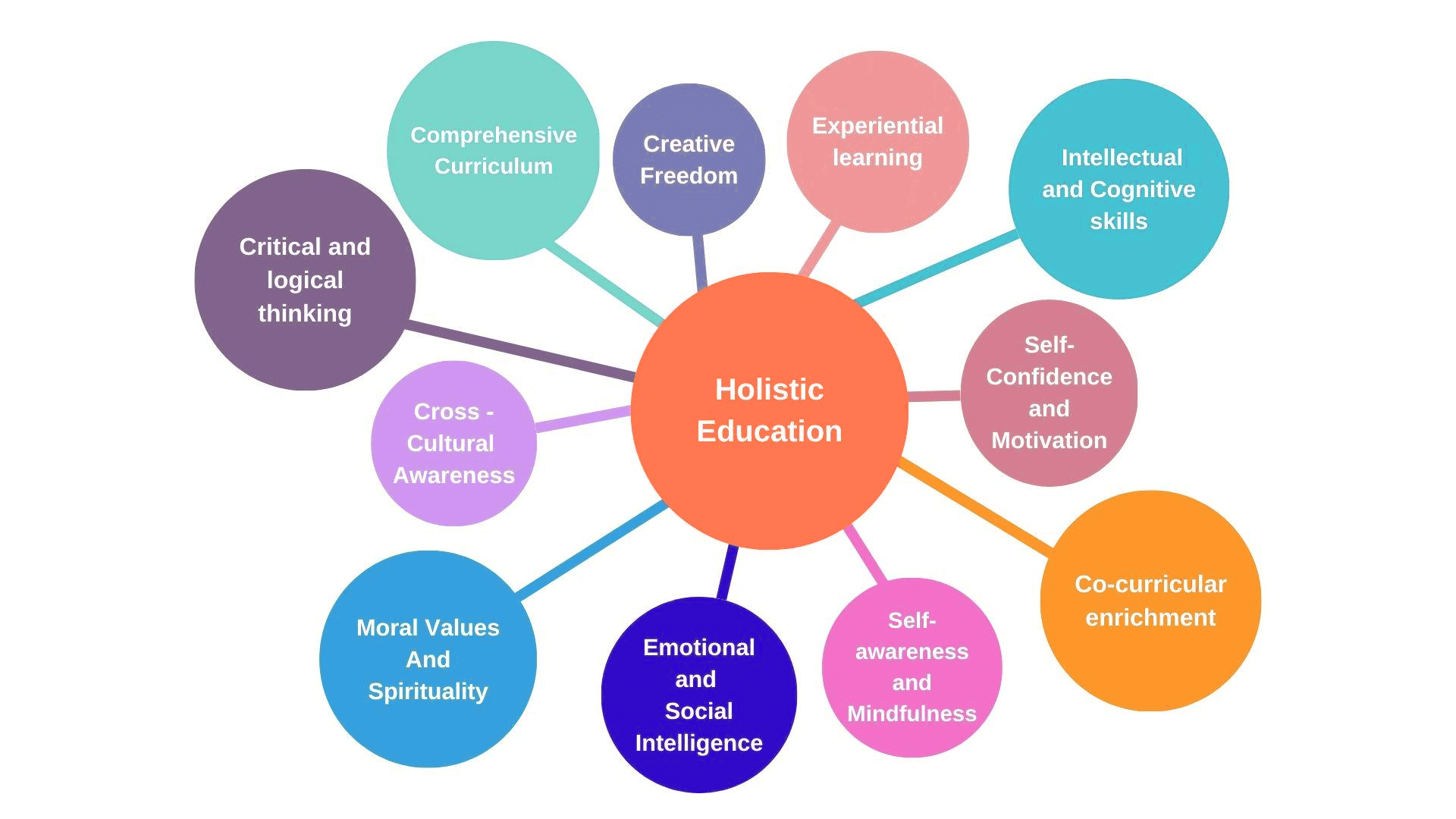
The best school in India isn’t simply the one with the top exam results. It’s the one that gives students a sound education, room to explore their interests and guidance while they learn to make their own decisions. Those experiences help prepare young people for the opportunities and responsibilities that come after school.
FAQs
1. How does a school influence a student’s future?
A school shapes academic knowledge, communication, discipline, problem-solving and social skills. These abilities help students prepare for higher education, work and everyday responsibilities.
2. What are the benefits of studying at a boarding school?
Boarding life can encourage independence, time management, cooperation and adaptability. How it goes depends on the student’s readiness and the quality of care and guidance they receive.
3. Is Pinegrove School affiliated with CBSE?
Yes. Pinegrove School is affiliated with CBSE and offers education through Class XII.
4. Why are extracurricular activities important for students?
Sports, music, drama and other activities help students explore interests, practise teamwork and build confidence beyond academic lessons.
5. What should parents check before choosing a boarding school?
Review academics, subject options, accommodation, student supervision, healthcare, meals, activities and communication with families. A campus visit helps you understand daily life at the school.