How Lubrication Equipment Manufacturers Address Lubrication Challenges in Steel Plants
- Manufacturers
- September 25, 2026
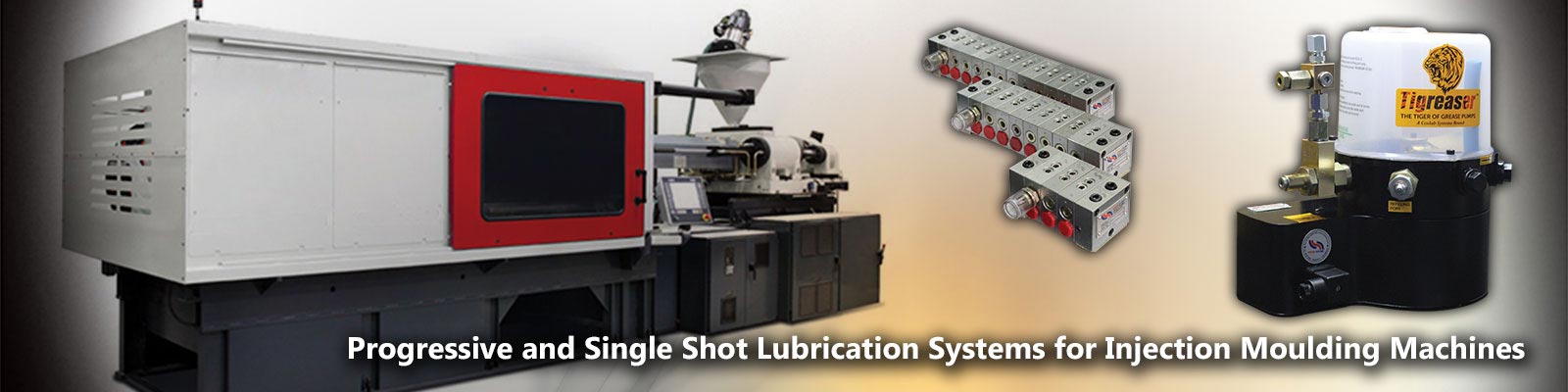
Steel plants operate with heavy machinery, high temperatures, dust, vibration, and long production cycles. Lubricating bearings, gears, conveyors, cranes, and other moving components under these conditions can be difficult. Manual lubrication may also become inconsistent when equipment has numerous lubrication points. This is where experienced Lubrication Equipment Manufacturers can help. They consider the plant environment, machinery, lubrication points, and operating cycles to develop lubrication systems suited to demanding steel plant conditions.
5 Ways Lubrication Equipment Manufacturers Address Steel Plant Challenges
1. They Select Lubrication Solutions for Extreme Heat
Steel plants have areas where equipment operates close to intense heat. Bearings and other moving components in these locations need lubrication systems that can work reliably under those conditions. Manufacturers consider the operating temperature, lubricant being used, and location of the equipment before selecting the system. This results in a lubrication arrangement suited to the plant environment rather than a standard setup.
2. They Automate Lubrication for Continuous-Running Machinery
Conveyors, cranes, and other steel plant equipment may operate for long periods without convenient opportunities for manual lubrication. Stopping them frequently for routine greasing can disrupt maintenance schedules and production.
Automatic lubrication systems provide lubricant to selected points at set intervals while the equipment continues operating. This reduces repetitive manual work and helps maintenance teams follow a more consistent lubrication schedule.
3. They Regulate Lubricant Quantity at Each Lubrication Point
A large machine can have many lubrication points, and each one may require a specific amount of lubricant. Simply applying more grease or oil does not necessarily provide better protection.
Manufacturers use pumps, distributors, and metering devices to control lubricant delivery. For example, a conveyor with several bearings can receive lubricant through separate distribution lines instead of relying on manual greasing at each bearing. This helps prevent insufficient lubrication while avoiding unnecessary lubricant consumption.
4. They Extend Lubrication to Difficult-to-Reach Components
Some bearings and moving components are positioned where regular manual access is inconvenient. This is common around large conveyors, cranes, and other heavy machinery.
Instead of requiring workers to reach every point individually, a centralized lubrication system can carry lubricant through pipes, tubes, or hoses from an accessible location. For maintenance teams, that means less time spent reaching individual points and an easier way to handle routine lubrication.
5. They Adapt Lubrication Systems to Different Steel Plant Machines
Steel plants use many types of equipment, and their lubrication requirements are not always the same. A conveyor bearing may have different requirements from a crane component or another material-handling machine.
Lubrication Equipment Manufacturers consider factors such as machine type, load, operating cycle, number of lubrication points, lubricant, and working environment when configuring a system. This application-specific approach allows the lubrication arrangement to fit the equipment rather than treating every machine in the same way.
What Should Steel Plants Consider Before Choosing a Lubrication System?
Steel plants should look beyond the equipment itself and consider how the complete lubrication system will work with their machinery. They should evaluate the number and location of lubrication points, lubricant type, operating temperature, required delivery frequency, pressure requirements, and accessibility.
It is also useful to discuss the application with the manufacturer before selecting a system. A system selected around the actual machine and operating environment is generally more practical than choosing equipment based only on basic specifications.
Making Lubrication More Reliable in Steel Plants
Reliable lubrication plays an important role in keeping steel plant machinery ready for demanding operations. Cenlub Systems provides centralized and automatic lubrication solutions for industrial applications, while experienced Lubrication Equipment Manufacturers can help develop systems suited to specific equipment and operating conditions.
To know more visit here: https://www.cenlub.com/about-us.php
FAQs
What are the main lubrication challenges in steel plants?
High temperatures, heavy loads, dust, continuous equipment operation, numerous lubrication points, and difficult access can make lubrication challenging.
How does automatic lubrication help steel plant machinery?
It automatically supplies lubricant to selected lubrication points, reducing the need for repeated manual lubrication.
Can one lubrication system be used for different steel plant machines?
A system can serve multiple points, but its configuration should be selected according to the specific machinery, lubricant, operating conditions, and lubrication requirements.
Why is controlled lubricant delivery important?
Controlled delivery helps provide the required amount of lubricant to individual points and can reduce both under-lubrication and unnecessary lubricant use.
What should steel plants discuss with a lubrication equipment supplier?
They should discuss machine type, lubrication points, lubricant, operating conditions, pressure requirements, delivery frequency, accessibility, and maintenance requirements.